How Rising Gas Prices Are Impacting Transit Services in Colorado

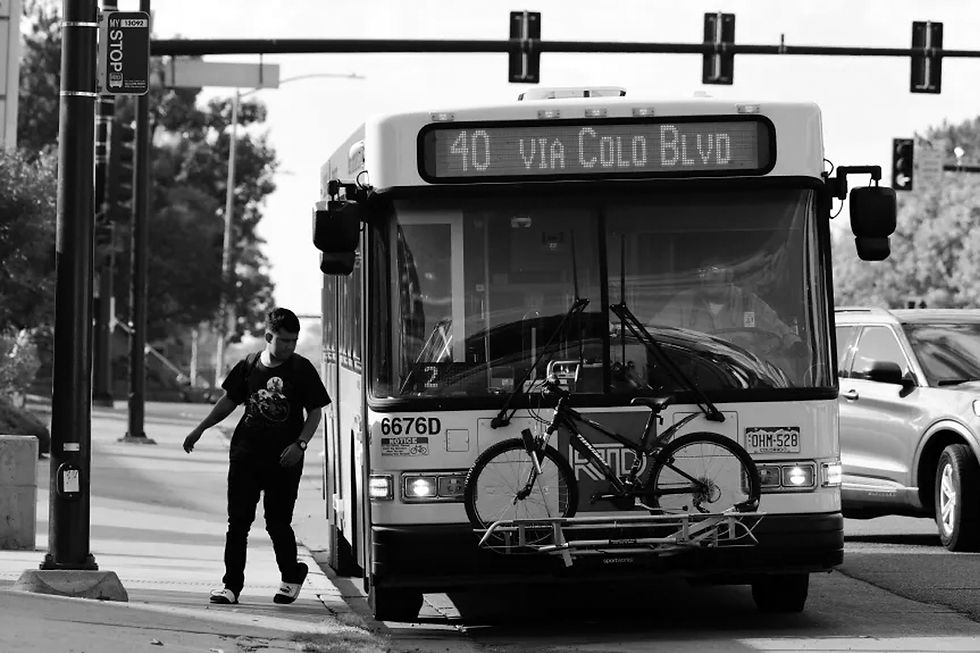
Rising gas prices have become a pressing issue across the United States, and Colorado is no exception. The increase in fuel costs is putting significant pressure on public transit systems, especially the Regional Transportation District (RTD) that serves the Denver metropolitan area and surrounding regions. As gas prices climb, some transit agencies face higher operating expenses, which can affect service quality, frequency, and affordability for riders. RTD his been forward thinking with fuel contracts that caps gas at $2.50/ gallon.
.
What Riders Can Expect Moving Forward
For Colorado residents who depend on public transit, the rising gas prices mean some immediate challenges but also potential long-term benefits. Riders may notice changes in schedules or service availability as agencies adjust to higher fuel costs. It is important for commuters to stay informed about route updates and consider alternative travel options when possible. At the same time, investments in electric and hybrid buses could lead to more reliable and environmentally friendly transit services in the future.
Community support and feedback will play a crucial role in shaping how transit agencies respond to these challenges. RTD says transit helps people who do not have a car or are finding it too expensive to drive right now. Advocating for increased funding, sustainable transit policies, and equitable service can help ensure that public transportation remains accessible and affordable for all. As Colorado navigates the impact of rising gas prices, the focus remains on building a transit system that meets the needs of its growing population while addressing economic and environmental concerns.
Based on Article https://www.cbsnews.com/colorado/news/rtd-services-colorado-rising-gas-prices-transit/
-JG

Comments