What a Changing Federal Transit Funding Landscape Could Mean for Local Transit

Emily Badger writes about cities and urban policy for The Times from Washington. She’s particularly interested in housing, transportation and inequality — and how they’re all connected.
Alicia Parlapiano is a Times reporter covering government policy and politics, primarily using data and charts.
What a Changing Federal Transit Funding Landscape Could Mean for Local Transit
Public transportation in the United States has always depended on a partnership between local, state, and federal governments. While transit agencies often receive their operating revenue from fares and local taxes, major capital projects—from new rail lines to station improvements and bus rapid transit corridors—frequently rely on federal grants.
A recent New York Times (link) analysis highlights how federal transit funding priorities can shift from one presidential administration to another. This Trump administration has signed no new agreements for the major transit grant program, stalling many important transit infrastructure investments across the nation.
Why Federal Funding Matters
Large transit projects take years and can cost hundreds of millions—or billions—of dollars. Because few local agencies can fund them alone, Federal Transit Administration programs help expand service, improve accessibility, replace aging infrastructure, and modernize systems.
Because development spans many years, shifting federal priorities can affect schedules, financing, and long-term planning.
Different Priorities, Different Outcomes
Transportation policy often reflects national priorities. One administration may focus on transit access, emissions reduction, or transit-oriented development, while another may prioritize roads, fiscal restraint, or stronger local funding commitments.
These shifts may not eliminate transit funding, but they can affect:
· Which projects advance first.
· How projects are evaluated.
· When grants are approved.
· How much project cost the federal government covers.
For transit agencies, adaptability is essential to long-term planning.
What This Means for Communities
For riders, changes in federal policy may not be immediately visible. Existing bus and rail service generally continues operating regardless of changes in Washington. However, long-term improvements—new transit lines, station upgrades, fleet replacements, and service expansions—can be affected if major capital funding becomes more difficult to obtain or takes longer to secure.
Communities planning significant transit investments often need to adjust timelines, identify additional local funding sources, or phase projects differently depending on available federal support.
Closer to Home:
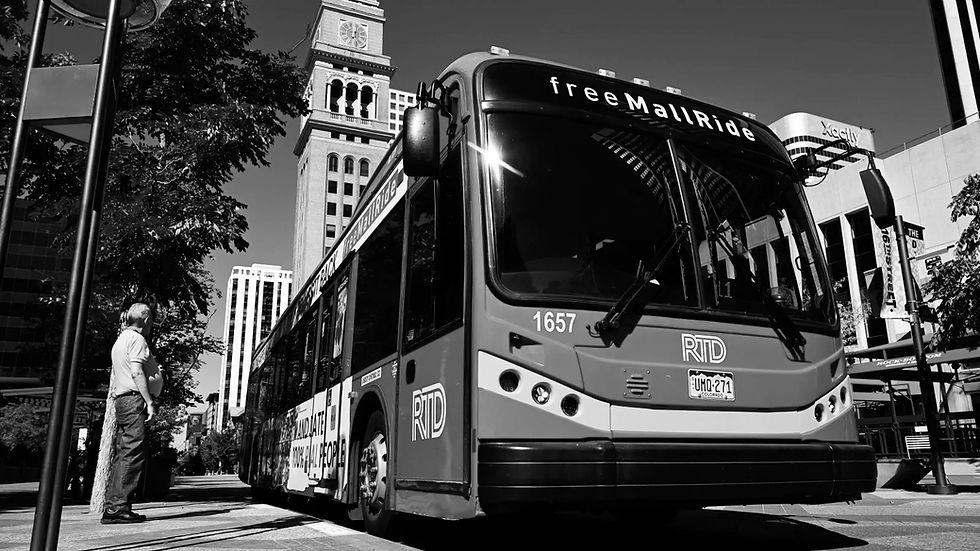
Denvers planned Federal Boulevard Bus Rapid Transit (BRT) project is awaiting approximately $150 million in anticipated federal funding as part of this grant cycle, illustrating how changes in federal grant approvals or funding priorities can influence the timing of major transit investments, even after years of planning.
Looking Ahead
Federal transportation policy will continue to evolve, but the need for safe, reliable, and efficient transit remains constant.
Local transit agencies must balance current operations with future investments while staying flexible in a shifting funding landscape.
-JG

Comments