Enhancing the Rider Experience through Collaboration Between BART and Ride Sharing Apps
- John Glenn RTD

- Jan 27
- 3 min read
Updated: Mar 6
I learned recently that SF Bay Area riders can now plan and book short Uber trips — ranging from two to seven miles — to and from BART stations directly within a single agency’s official app.
The partnership between BART and Uber Transit is part of BART’s ongoing effort to enhance customer experience by expanding and modernizing technology that gives riders more flexible and convenient travel options, agency officials said.
Through the integration, riders can plan and pay for their entire trip — including Uber rides — without leaving the BART app. Total trip time will be displayed, eliminating the need to juggle multiple apps and making travel faster and easier.
BART officials said the partnership helps address a longstanding challenge in the Bay Area transit network: connecting riders whose starting point or destination is too far to comfortably walk to a station or bus stop or is underserved by frequent transit service.
I love it when collaborations between public transit agencies like this strive to create a more seamless commuting experience. between public transit agencies like this strive to create a more seamless commuting experience.

Closing the Gap between Rail Stations and Destinations
One of the biggest hurdles for transit users is the so-called “last mile” problem. Even when rail service is fast and reliable, many riders struggle to get from the station to their home, office, or other destinations. This inconvenience can lead to longer travel times or the decision to drive instead of taking transit. For me, purchasing an e-scooter was necessary to solve my last-mile commute, recognizing that may not work for everyone.
By working with ride sharing apps, BART offers riders a seamless way to book a ride immediately after exiting the station. For example, some BART stations now feature designated pick-up and drop-off zones for Uber and other services. This setup reduces wait times and confusion, making it easier to transition from rail to car.
This collaboration also benefits riders during off-peak hours or in areas where transit options are limited. Instead of waiting for infrequent buses or walking long distances, riders can quickly request a ride, improving safety and comfort.
Integrated Payment and App Features
Another way BART and ride sharing apps enhance the rider experience is through integrated payment systems. Some pilot programs allow riders to purchase a combined ticket that covers both the rail fare and the ride share trip. This integration simplifies payment and removes the hassle of managing multiple apps or payment methods.
Additionally, ride sharing apps have started to include real-time transit information within their platforms. For instance, Uber users can see BART schedules and delays directly in the app, helping them plan trips more efficiently. This kind of integration encourages more people to use transit as part of their daily routine.
Environmental and Traffic Benefits
Encouraging transit use combined with ride sharing can reduce the number of single-occupancy vehicles on the road. When riders use BART for the main part of their trip and share rides for the last mile, it cuts down on traffic congestion and lowers emissions.
In the Bay Area, where traffic jams are common, this shift can make a noticeable difference. Fewer cars on the road mean less pollution and a more pleasant commute for everyone. The partnership between BART and ride sharing apps supports regional goals for sustainability and cleaner air.
Real-Life Examples of Success
Several BART stations have already seen positive results from these collaborations. At the San Francisco International Airport station, for example, clear signage directs passengers to Uber pick-up points, reducing confusion for travelers with luggage. Riders report shorter wait times and smoother transitions from rail to ride share.
In Oakland, BART has partnered with Uber to offer discounted rides during late-night hours when transit service is less frequent. This program has improved safety and convenience for riders returning home after events or late shifts.
These examples show how practical cooperation between transit agencies and ride sharing companies can address real rider needs.
What This Means for the Future of Transit
The collaboration between transit agencies and ride sharing apps points to a future where public transit is part of a larger, connected mobility network. Instead of seeing transit and ride sharing as competitors, they work together to provide flexible, efficient options for riders.
For commuters, this means fewer barriers to using public transit and more reliable door-to-door service. For transit agencies, it offers a way to attract new riders and improve service without building costly new infrastructure.
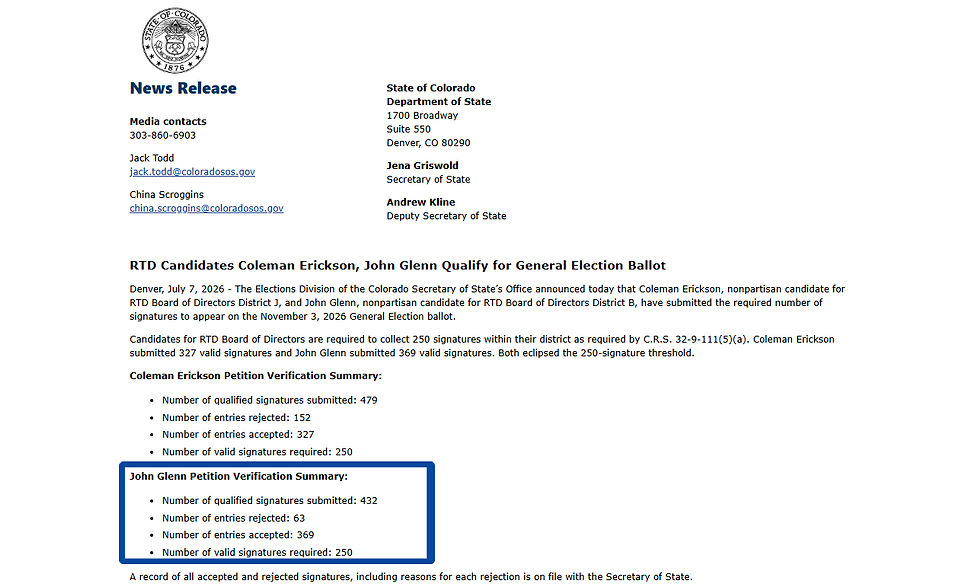
Bringing seemless transportation solutions to RTD is part of why I am running for the board in 2026.
-JG
Comments